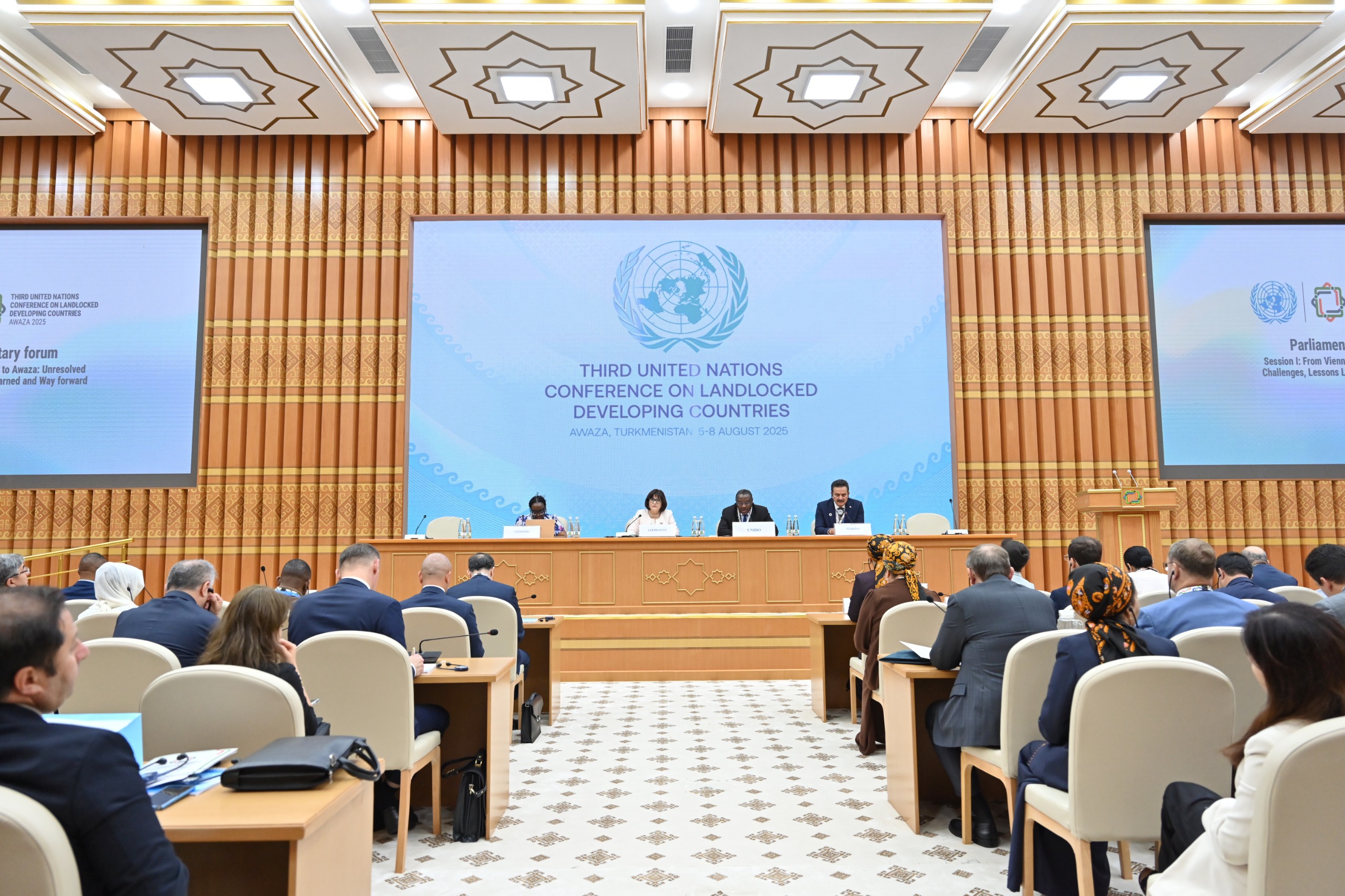


Speaker of Milli Majlis Addresses Inter-Parliamentary Forum Held on the Margins of UN Conference in Turkmenistan
_1754307164.jpeg)
The Inter-Parliamentary Forum has commenced its work as part of the Third United Nations Conference on Landlocked Developing Countries in the town of Awaza of Turkmenistan on 4 August.
First, the forum was inaugurated with the opening ceremony.
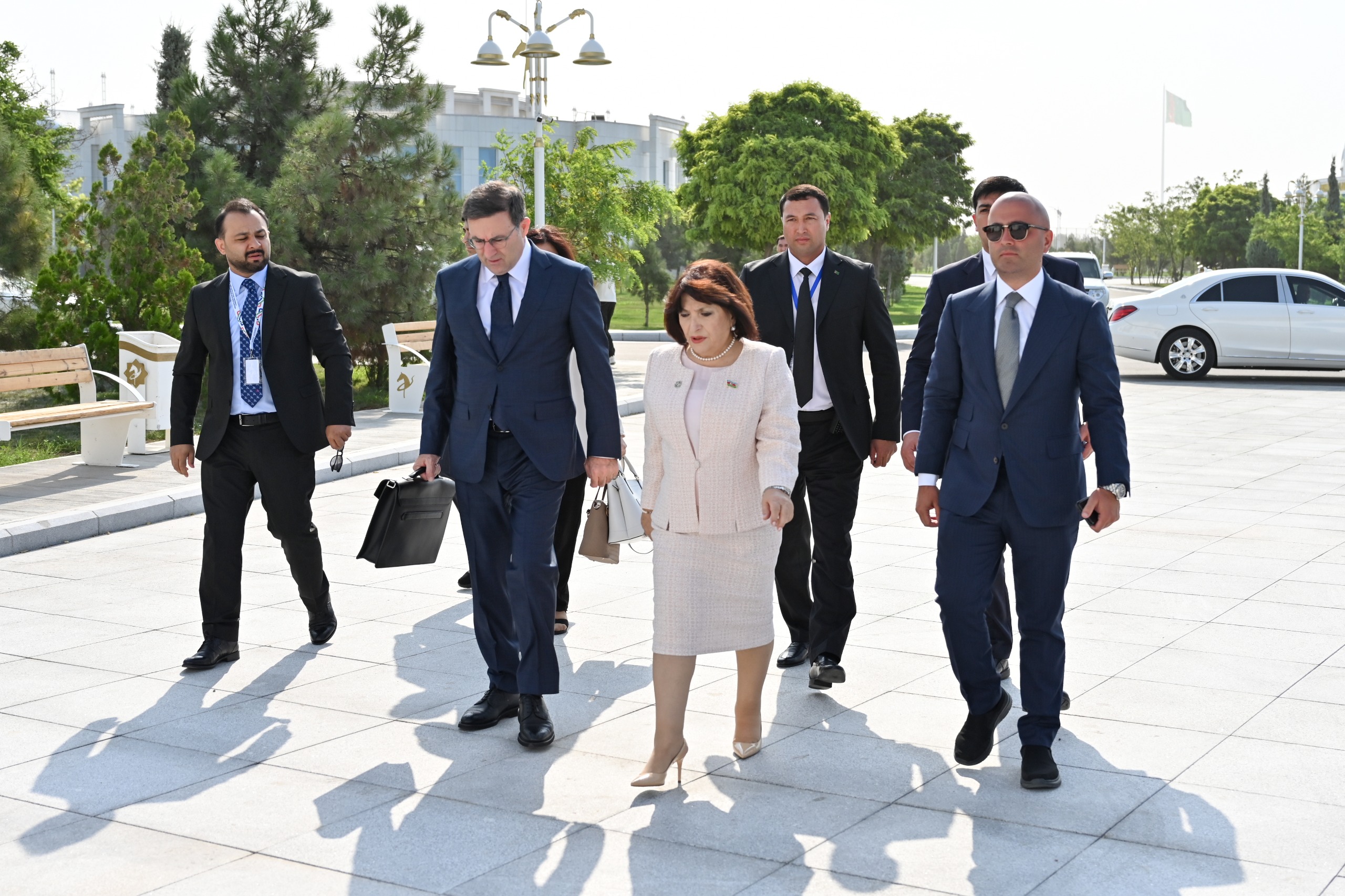
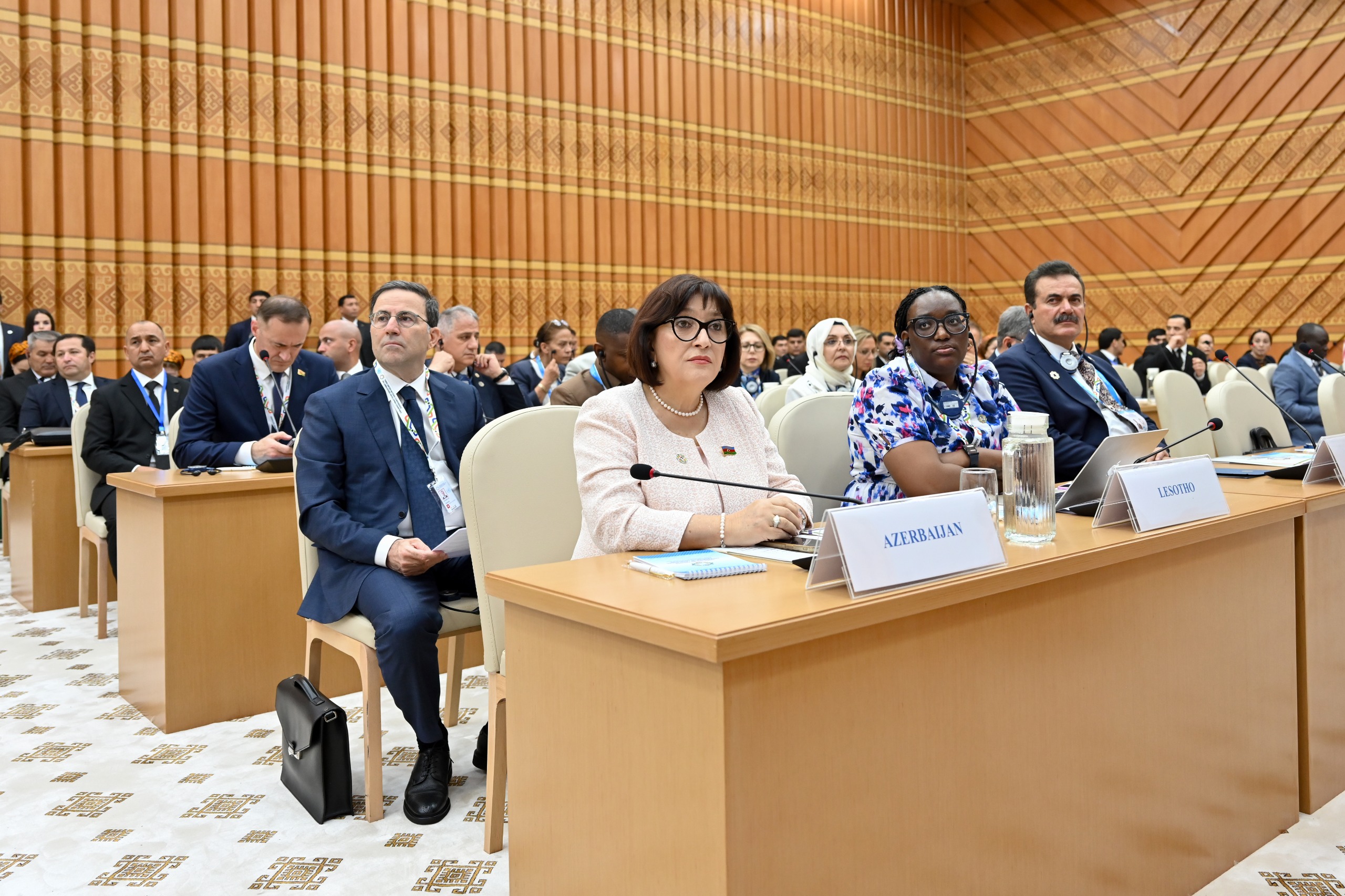
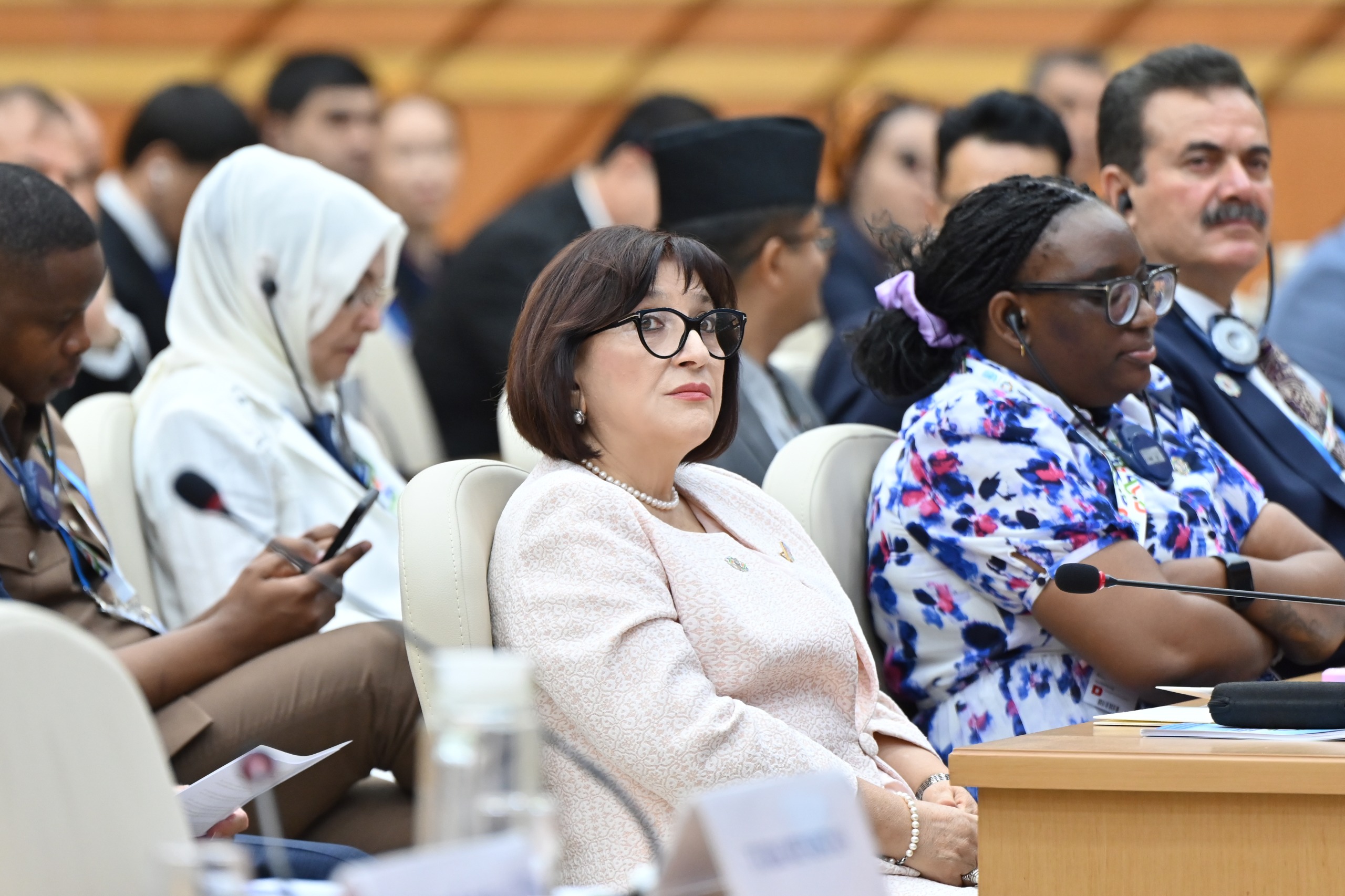
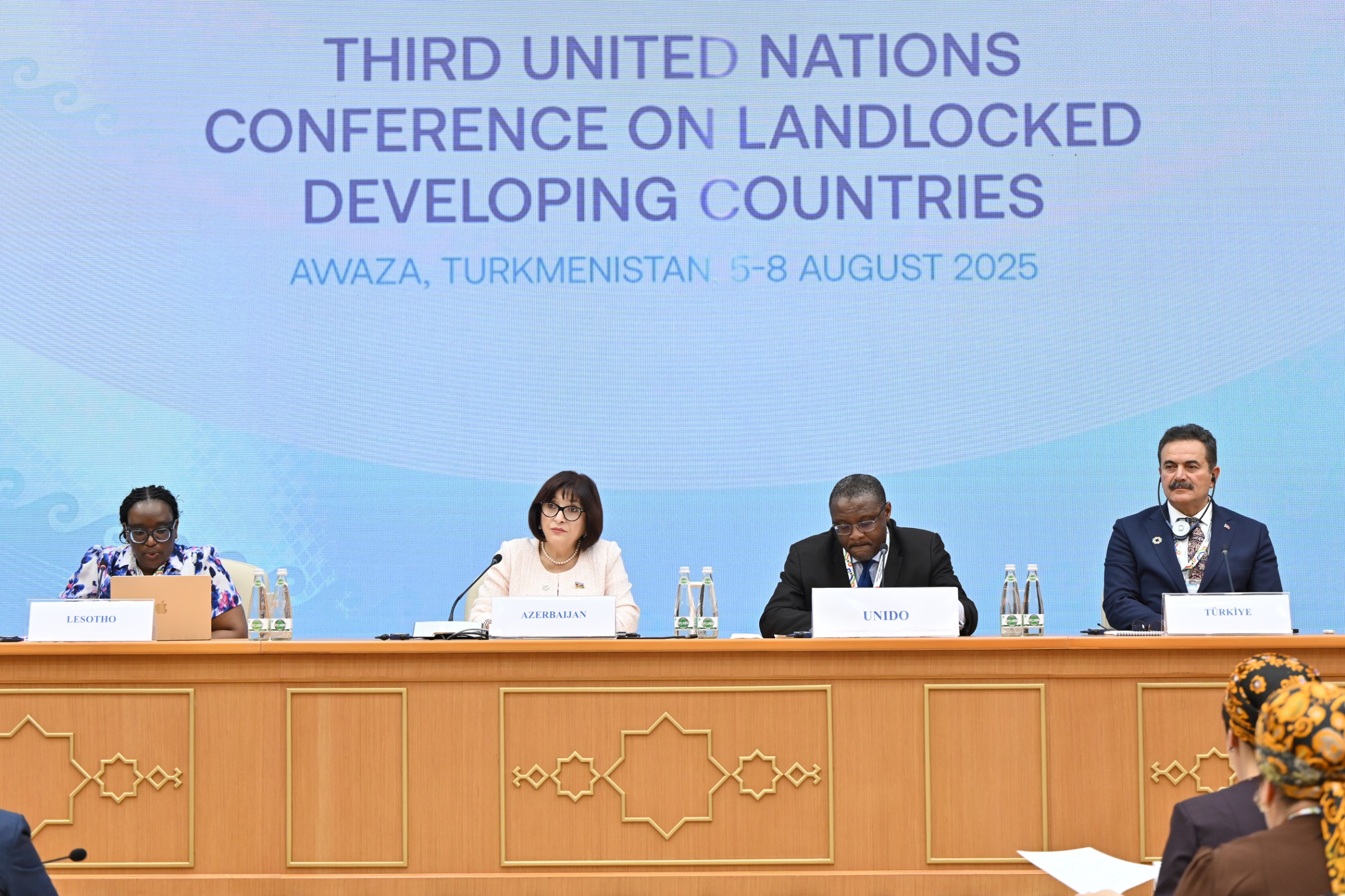
Speaker Sahiba Gafarova presided over the first session of the Forum, which was entitled ‘From Vienna to Awaza: Unresolved Challenges, Lessons Learned and the Way Ahead’. She extended her congratulations to Turkmenistan as the host nation for the successful organisation of the forum.
As the Speaker of the Milli Majlis said, the Forum aims to ensure the recognition of that role which Parliaments can play in forming and implementing policies and programmes in the landlocked developing countries, transit countries and development partners, as well as in fulfilling the obligations and priorities under the Programmes of Action for Landlocked Developing Countries. According to her, Parliaments have at their disposal an important toolkit of legislative activity, budgeting and supervisory functions, one which is applicable in the achievement of the established goals. Parliaments precisely, as representatives of peoples, are first to make liaison with citizens. It was remarked also that, whilst bridging governments and citizens, Parliaments heed any and all ideas and suggestions made by civil society and add those to the agenda.
Speaker Sahiba Gafarova focused the attention on the importance of inter-parliamentary co-operation going beyond national boundaries and elevating Parliaments’ efforts to the international level; she said confidently that the discussion of ideas and exchange of experience would open new perspectives in the work done by the Parliaments. As was also said, such for a as this could promote amalgamation of Parliaments’ endeavours and co-ordination of their work. The Speaker of the Milli Majlis highlighted the necessity of keeping national development, regional co-operation, international support and partnership as the key areas of the current and future activities. According to the Speaker, this is decisive for the implementation of the Agenda 2030, achievement of the Sustainable Development Goals and making certain that nobody is left behind.
Further at the debates Speaker Sahiba Gafarova informed the gathering participants of the relevant Azerbaijani experience. She stressed that Azerbaijan, a landlocked country, has been able to convert geographic limitations to opportunities thanks to the implemented initiatives; she added that Azerbaijan has invested billions of dollars over the past years in transport infrastructure including the International Merchant Seaport of Alyat and construction of new motoring roads and railways. Situated on the Trans-Caspian Middle Corridor and the North-South Corridor, Azerbaijan has to date become one of the key transport and logistical hubs in Eurasia.
The Speaker of the Milli Majlis remarked in her address that the Baku-Tbilisi-Kars railway line, the cornerstone of the Middle Corridor, proves the commitment of our country to strengthening regional ties. The current ‘Digital Silk Way’ project, which is a web of fibre-optic cables laid across the Caspian seabed, will promote digital infrastructure progress and digital security efforts.
She also announced another important initiative that is being carried into life currently, namely, the green energy development and transmission co-operation amongst Azerbaijan, Kazakhstan and Uzbekistan. According to Speaker Sahiba Gafarova, Azerbaijan, which remains committed to the South-South co-operation concept, is sharing her experience in streamlining and modernising customs operations, digitalisation and infrastructure development with the other landlocked countries thus affording them an opportunity to overcome geographic isolation and partake of collective growth. She emphasised then that our country calls on the international community to propose more reliable and practicable support mechanisms for the achievement of the Sustainable Development Goals by the landlocked countries.
Besides, it was noted in the speech that Azerbaijan’s initiative upkeep regional co-operation and co-ordination as well as they do strengthening of connexions and trade growth for the landlocked countries.
The debates continued; other addresses followed.
The Speaker of the Milli Majlis remarked at the closure of the event that the discussions held had been fruitful; she pointed up such platforms’ significance in terms of exchange of experience and new ideas. The summary document adopted at the concluding session to reflect the forum participants’ shared views will strongly support the achievement of our common goals and will contribute to the implementation of the Awaza Action Programme, according to her.
The Press and Public Relations Department
The Milli Majlis
_1754307307.jpeg "Speaker of Milli Majlis Addresses Inter-Parliamentary Forum Held on the Margins of UN Conference in Turkmenistan")
_1754307308.jpeg "Speaker of Milli Majlis Addresses Inter-Parliamentary Forum Held on the Margins of UN Conference in Turkmenistan")
_1754307308.jpeg "Speaker of Milli Majlis Addresses Inter-Parliamentary Forum Held on the Margins of UN Conference in Turkmenistan")
_1754307309.jpeg "Speaker of Milli Majlis Addresses Inter-Parliamentary Forum Held on the Margins of UN Conference in Turkmenistan")
_1754307310.jpeg "Speaker of Milli Majlis Addresses Inter-Parliamentary Forum Held on the Margins of UN Conference in Turkmenistan")
_1754307310.jpeg "Speaker of Milli Majlis Addresses Inter-Parliamentary Forum Held on the Margins of UN Conference in Turkmenistan")
_1754307310.jpeg "Speaker of Milli Majlis Addresses Inter-Parliamentary Forum Held on the Margins of UN Conference in Turkmenistan")
_1754307311.jpeg "Speaker of Milli Majlis Addresses Inter-Parliamentary Forum Held on the Margins of UN Conference in Turkmenistan")
_1754307311.jpeg "Speaker of Milli Majlis Addresses Inter-Parliamentary Forum Held on the Margins of UN Conference in Turkmenistan")
_1754307312.jpeg "Speaker of Milli Majlis Addresses Inter-Parliamentary Forum Held on the Margins of UN Conference in Turkmenistan")
_1754307312.jpeg "Speaker of Milli Majlis Addresses Inter-Parliamentary Forum Held on the Margins of UN Conference in Turkmenistan")